Assess
Physical screening and performance testing to find what is limiting you. Carly takes a full history, examines how you move and load, and measures where it matters, so the plan starts from numbers rather than guesswork.
Physiotherapy for runner's knee, ACL injuries and other knee pain, built on progressive strength work and objective testing, so you return to running and sport with evidence the knee is ready.

Overview
Knee pain covers several different problems, and they need different plans. Runner's knee, or patellofemoral pain, is an ache around or behind the kneecap, often worse on stairs, when squatting or after sitting. It is usually a load problem, and it tends to respond well to strengthening the hip and thigh muscles while training volume is adjusted.
An anterior cruciate ligament (ACL) injury typically happens when the knee twists on a planted foot, often with a pop and fast swelling. Whether or not you have surgery, the rehabilitation is long and structured, and rebuilding strength and control to match the other leg is what matters most.
Carly assesses which problem you have, then treats it through physiotherapy and sports injury rehab. Performance testing compares one leg with the other so return-to-sport decisions rest on numbers.
Runner's knee, a ligament injury, a meniscal tear and joint wear can all show up as a sore knee. Working out which one you have shapes everything that follows.
Complete rest often lowers the capacity you need to rebuild. Distance, surface and frequency are adjusted so you keep running at a level the knee tolerates while strength comes back.
A structured programme, before and after surgery or instead of it, that rebuilds strength and control in stages until the knee feels stable on landing, cutting and turning.
Targeted strength work for the thigh and hip muscles reduces the load on the front of the knee, which is often what makes stairs, squats and kneeling easier.
Retesting against the other leg and your own baseline gives a measured answer to the readiness question, so you return with evidence rather than a feeling.
Why it happens
A rapid increase in running distance, speed or hill work that outpaces what the knee can handle
Weakness in the quadriceps and hip muscles, changing how the kneecap is loaded
A twisting or pivoting movement on a planted foot, the usual way an ACL is injured
A twisting load that damages a meniscus, the cartilage cushion inside the knee
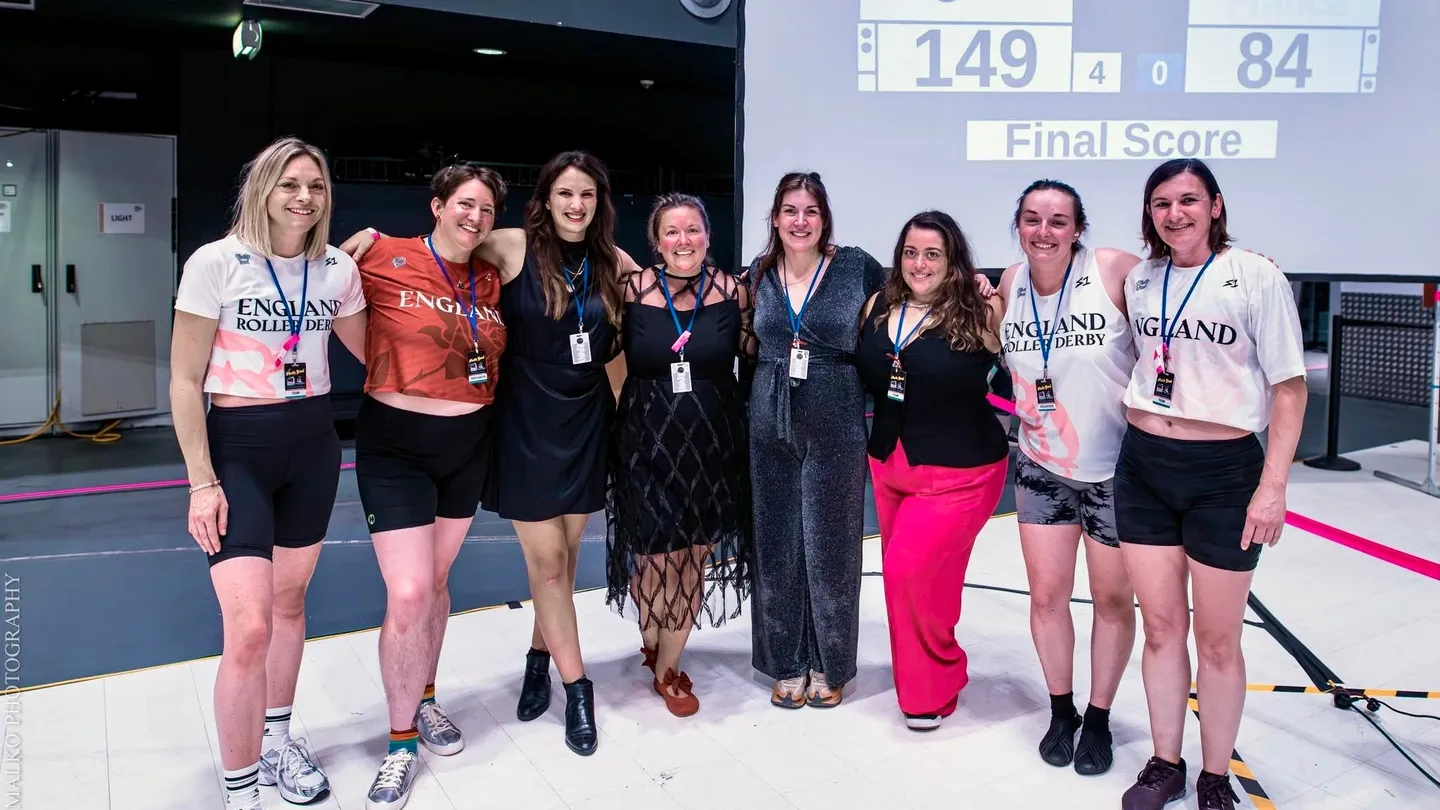
Contact, collisions and sudden changes of direction in sports such as roller derby or football
Long periods of sitting with the knees bent, a common trigger for pain around the kneecap

Your first session is a full hour with Carly. She takes your history, asks what you need to get back to, then screens how you move, how strong you are and what the problem area is doing under load.
You leave with a working diagnosis in plain English, the first steps of your plan, and a clear idea of how progress will be measured.

Sessions are £150 per hour, by appointment at UNTIL Marylebone, Canary Wharf or Soho. You can refer yourself; no GP letter is needed.
A clear path from first assessment to being back at full output, measured, not guessed. Every session is one hour with Carly, at UNTIL Marylebone, Canary Wharf or Soho.
Physical screening and performance testing to find what is limiting you. Carly takes a full history, examines how you move and load, and measures where it matters, so the plan starts from numbers rather than guesswork.

A programme built around your goals, your sport and your calendar. You leave knowing what is driving the problem, what you are going to do about it, and how progress will be measured from one session to the next.

Coached sessions and progressive loading, adjusted as you improve. Strength, control and conditioning are built in stages, with the load moved on only when the last stage has been earned.

Back to sport and racing, with objective measures to prove it. The decision to return rests on retesting against your own baseline, so you go back with evidence rather than a feeling.
Treatment approach
Assessment separates runner's knee, ligament injury, meniscal injury and joint wear, which can feel similar but need very different management.
See treatment detail →Progressive strength, control and running or sport-specific work, moved on in stages, with or without ACL surgery, until the knee can handle what your sport asks of it.
See treatment detail →Compares strength and power between legs at baseline and before return to sport, so the decision rests on measured readiness rather than how the last session felt.
See treatment detail →FAQ
Runner's knee usually means patellofemoral pain: an ache around or behind the kneecap, often worse on stairs, squatting or after sitting for a long time. It is generally a load problem and tends to respond well to progressive strengthening of the thigh and hip muscles.
Commonly nine months or more before a return to sports that involve pivoting and cutting, whether or not you have surgery. Walking and daily tasks come back much sooner. At Box Box, progression is based on measured strength and control rather than the calendar alone.
Go to an urgent treatment centre or A&E if you heard a snap, pop or crack when you hurt your knee, it is very painful or swollen, you cannot put weight on it, it has changed shape, or your lower leg feels numb, tingly or cold.
Yes. Rehab before surgery helps settle swelling and restore movement and strength, which can make recovery afterwards smoother. After the operation, Carly follows your surgeon's protocol in the early stages, then builds strength, control and sport-specific work towards a tested return to play.
Get Started
Box Box Physiotherapy and Performance • UNTIL Soho, 111 Charing Cross Road, London WC2H 0DT
Book an assessmentBased in central London, by appointment. Sessions at UNTIL Marylebone, Canary Wharf and Soho.