Assess
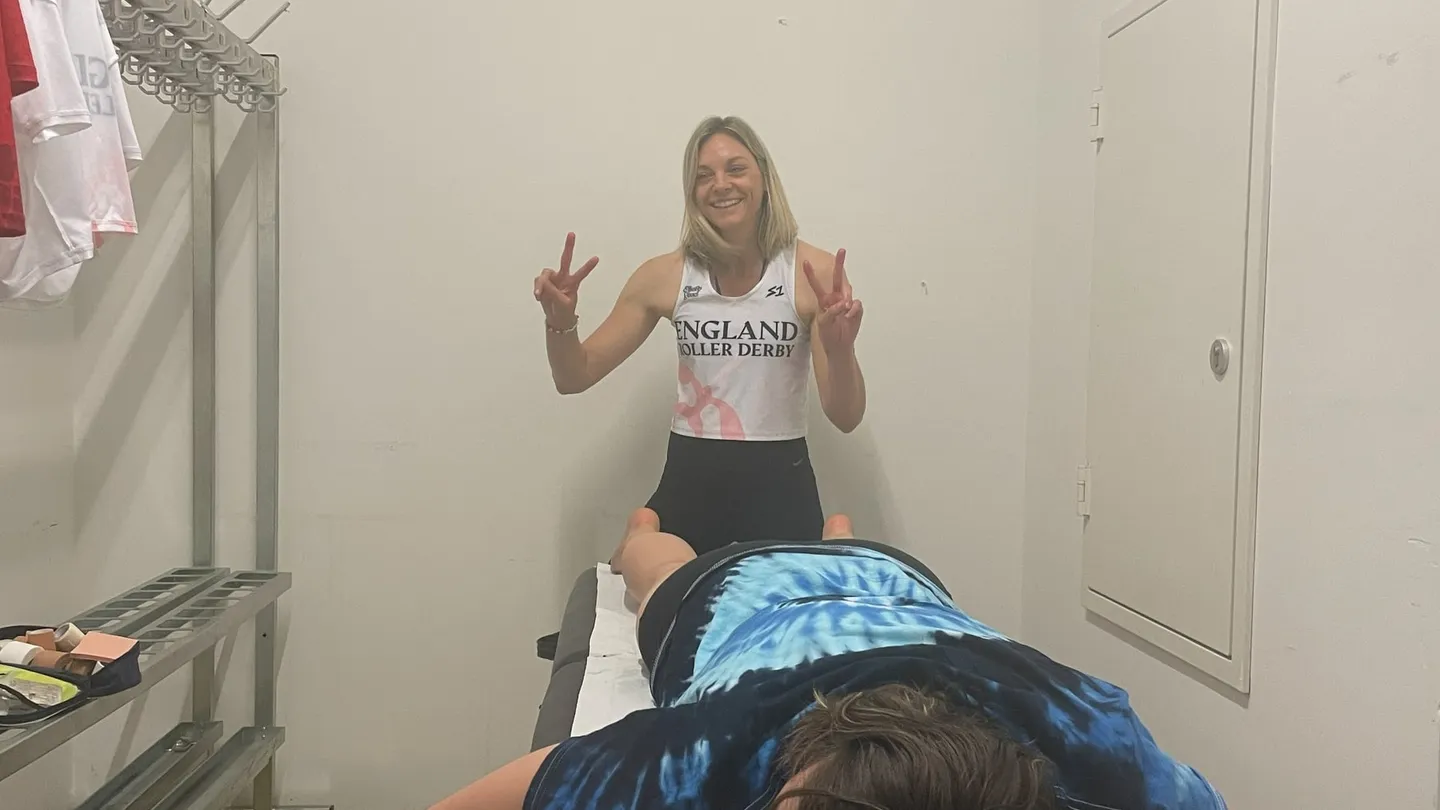
Physical screening and performance testing to find what is limiting you. Carly takes a full history, examines how you move and load, and measures where it matters, so the plan starts from numbers rather than guesswork.
Physiotherapy and driver conditioning for club and amateur racers, karting, track-day drivers and sim racers, built around what the cockpit actually asks of your neck, hands, heart and focus.

Overview
The driver's body is the machine. Motorsport asks specific things of the athlete behind the wheel, and training for it looks different from general gym work. Sustained lateral G loads the neck lap after lap, steering and braking demand endurance in the hands and forearms, and cockpits run hot while heart rate stays high.
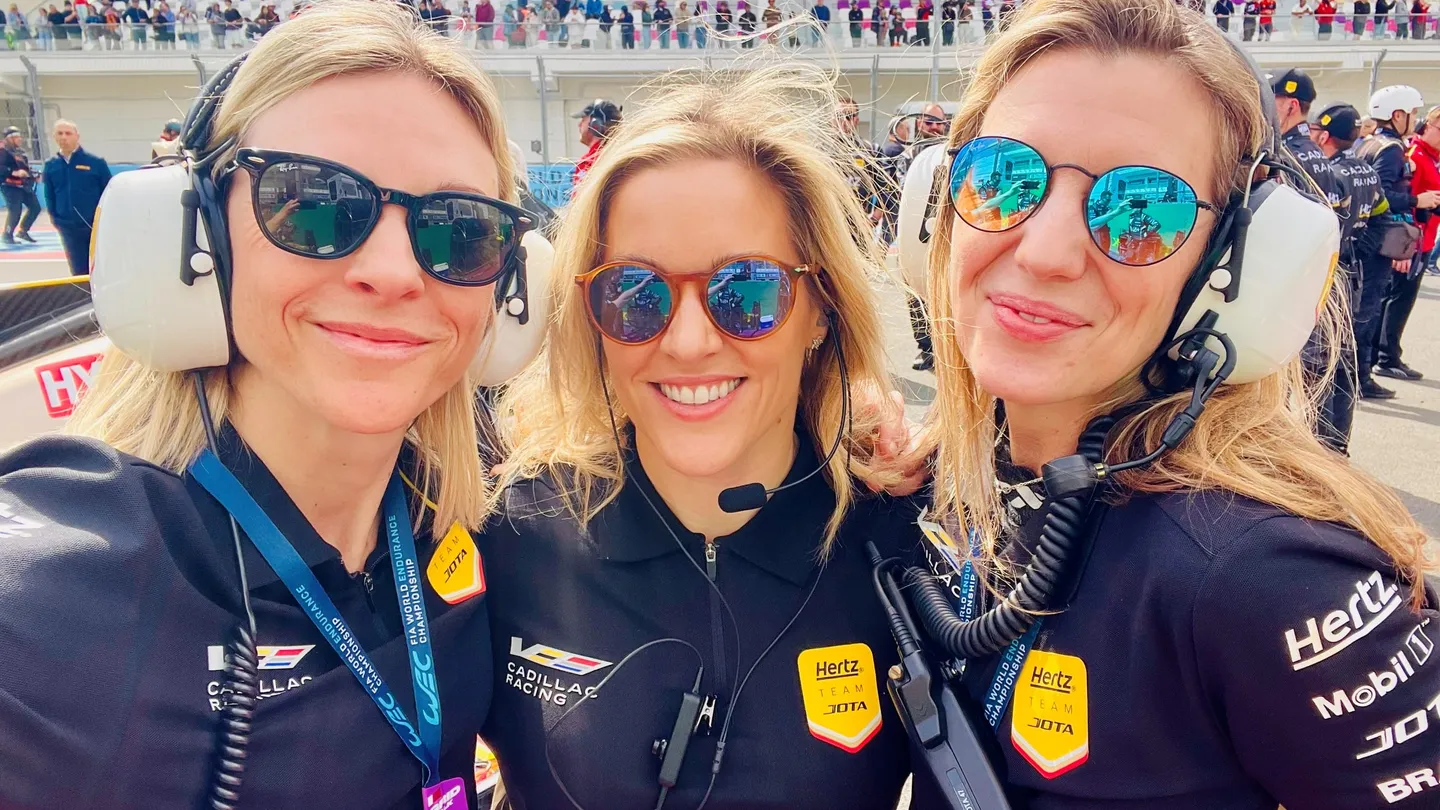
Carly was Team Physiotherapist for Cadillac Hertz Team Jota at the Qatar round of the 2025 World Endurance Championship (WEC), and was trackside with Hertz Team Jota at the 8 Hours of Bahrain, WEC, in 2024. Box Box is named after the team radio call to come into the pits.
The work is built for club and amateur racers, karting, track-day drivers and sim racers. It runs through motorsport athlete performance for driver-specific conditioning, performance testing to measure neck, grip and fitness, and physiotherapy when something hurts.
Sustained lateral G loads the neck lap after lap. Targeted cervical and trunk strength is the foundation of driver conditioning, built up in stages and measured as it improves.
Steering and braking demand endurance in the hands and forearms, trainable, and often overlooked. Grip and forearm work also helps settle wrist and forearm aches from long sessions.
Cockpits run hot and heart rate stays high. Conditioning keeps decisions sharp deep into a stint, with heat and cardiovascular preparation planned around your race weekends.
Consistency at the end of a race is physical. Carly trains the body to hold performance when it's tired, with reaction work done under fatigue.
Posture and loading work for karting, single-seaters and sim rigs, so long sessions in a fixed position stop leaving your lower back and hips stiff and sore.
Why it happens
Sustained sideways load on the neck through corners, lap after lap, without the strength to match it
Long stints in a fixed, reclined seated position that loads the lower back and hips
Repeated steering and braking effort that overloads the forearms, wrists and grip
Hot cockpits and a high heart rate, which bring on fatigue earlier in a stint
Long sim racing sessions with few breaks, a static posture and a tight grip on the wheel
Crashes and heavy impacts, which always need medical assessment before any rehab begins

Your first session is a full hour with Carly. She takes your history, asks what you need to get back to, then screens how you move, how strong you are and what the problem area is doing under load.
You leave with a working diagnosis in plain English, the first steps of your plan, and a clear idea of how progress will be measured.

Sessions are £150 per hour, by appointment at UNTIL Marylebone, Canary Wharf or Soho. You can refer yourself; no GP letter is needed.
A clear path from first assessment to being back at full output, measured, not guessed. Every session is one hour with Carly, at UNTIL Marylebone, Canary Wharf or Soho.
Physical screening and performance testing to find what is limiting you. Carly takes a full history, examines how you move and load, and measures where it matters, so the plan starts from numbers rather than guesswork.

A programme built around your goals, your sport and your calendar. You leave knowing what is driving the problem, what you are going to do about it, and how progress will be measured from one session to the next.

Coached sessions and progressive loading, adjusted as you improve. Strength, control and conditioning are built in stages, with the load moved on only when the last stage has been earned.

Back to sport and racing, with objective measures to prove it. The decision to return rests on retesting against your own baseline, so you go back with evidence rather than a feeling.
Treatment approach
Driver-specific work: neck strength for lateral G, reaction under fatigue, and posture and loading for karting and sim racing, planned around your racing calendar.
See treatment detail →Measures neck strength, grip endurance and fitness at the start, then retests so you can see what has changed rather than guess.
See treatment detail →Assessment and hands-on treatment for neck, back, wrist and forearm pain, and rehab after injury once any crash-related injury has been medically assessed.
See treatment detail →FAQ
It is built for motorsport and open to anyone serious about moving and performing well behind the wheel: club and amateur racers, karting drivers, track-day drivers and sim racers. You do not need to be competing at a high level to benefit from driver-specific conditioning.
Get a medical assessment first. Go to A&E after a head injury if you were knocked out, have been sick, have a headache that will not go away, have problems with memory, vision or speech, or have neck pain or numbness. Rehab with Carly starts once you are cleared.
Yes. Sim racing involves long sessions in a fixed position, a firm grip on the wheel and a lot of concentration. Carly looks at your rig position and how you sit, then builds neck, back, forearm and grip work so long sessions stop leaving you stiff or sore.
Cornering and braking push the head sideways and forwards, lap after lap. If the neck tires, holding a steady head position gets harder and focus can slip. Targeted cervical and trunk strength helps the neck cope with that load for longer, and it can be measured as it improves.
Get Started
Box Box Physiotherapy and Performance • UNTIL Soho, 111 Charing Cross Road, London WC2H 0DT
Book an assessmentBased in central London, by appointment. Sessions at UNTIL Marylebone, Canary Wharf and Soho.