Returning to Sport After Injury: Measured, Not Guessed
The hardest decision in rehab is when to go back. Here is why the calendar is a poor guide, what objective measures add, and how a staged plan takes you from injury or surgery back to training, sport and racing.
In this article
The short answer
Most people judge readiness by how long it has been and how the injury feels. Both matter, but neither tells you whether the injured area can cope with what your sport is about to ask of it. A return built on measured strength, movement and control, and on training that resembles your sport, is more likely to stick.
Why the calendar misleads
Healing timelines are averages. Two people with the same injury can recover strength and confidence at very different speeds, and pain often settles well before strength returns. That gap is where re-injury tends to happen: the knee, ankle or shoulder feels fine in daily life, then meets the speed, force or fatigue of real sport.
For some injuries the stakes are particularly clear. After an anterior cruciate ligament (ACL) injury, with or without reconstruction, rehabilitation is long, and returning to pivoting sport before strength and control have recovered is associated with a higher chance of injuring the knee again.
What objective measures add
Measures give you something to compare against. Useful comparisons include:
- Side to side. How the injured limb compares with the uninjured one for strength, range and control.
- Against your own baseline. Where a pre-injury measure exists, how close you are to it.
- Against your sport. Whether you can repeat the efforts your sport demands, including under fatigue.
None of these replace clinical judgement or how you feel. They make the conversation about readiness honest, and they show you progress that is otherwise easy to miss.
The four stages
Carly’s approach runs the same way for a skater, a runner or a racing driver.
- Assess. Physical screening and performance testing to find what is limiting you, and a baseline to measure against.
- Plan. A programme built around your goals, your sport and your calendar, inside any limits your surgeon has set.
- Build. Coached sessions and progressive loading, adjusted as you improve, moving from controlled exercise towards the speed and force of your sport.
- Return. Back to sport and racing, with objective measures to prove it, retested against the baseline you started with.
After surgery
If you have had an operation, your surgeon’s protocol comes first. It sets what the repair can tolerate and when, such as how much weight you can put through a limb or how far a joint can move in the early weeks. Rehabilitation fills in everything around that: restoring movement, rebuilding strength, and progressing towards sport as each milestone is met. If something does not feel right, such as increasing swelling, redness, fever or calf pain, contact your surgical team or GP promptly.
Where this comes from
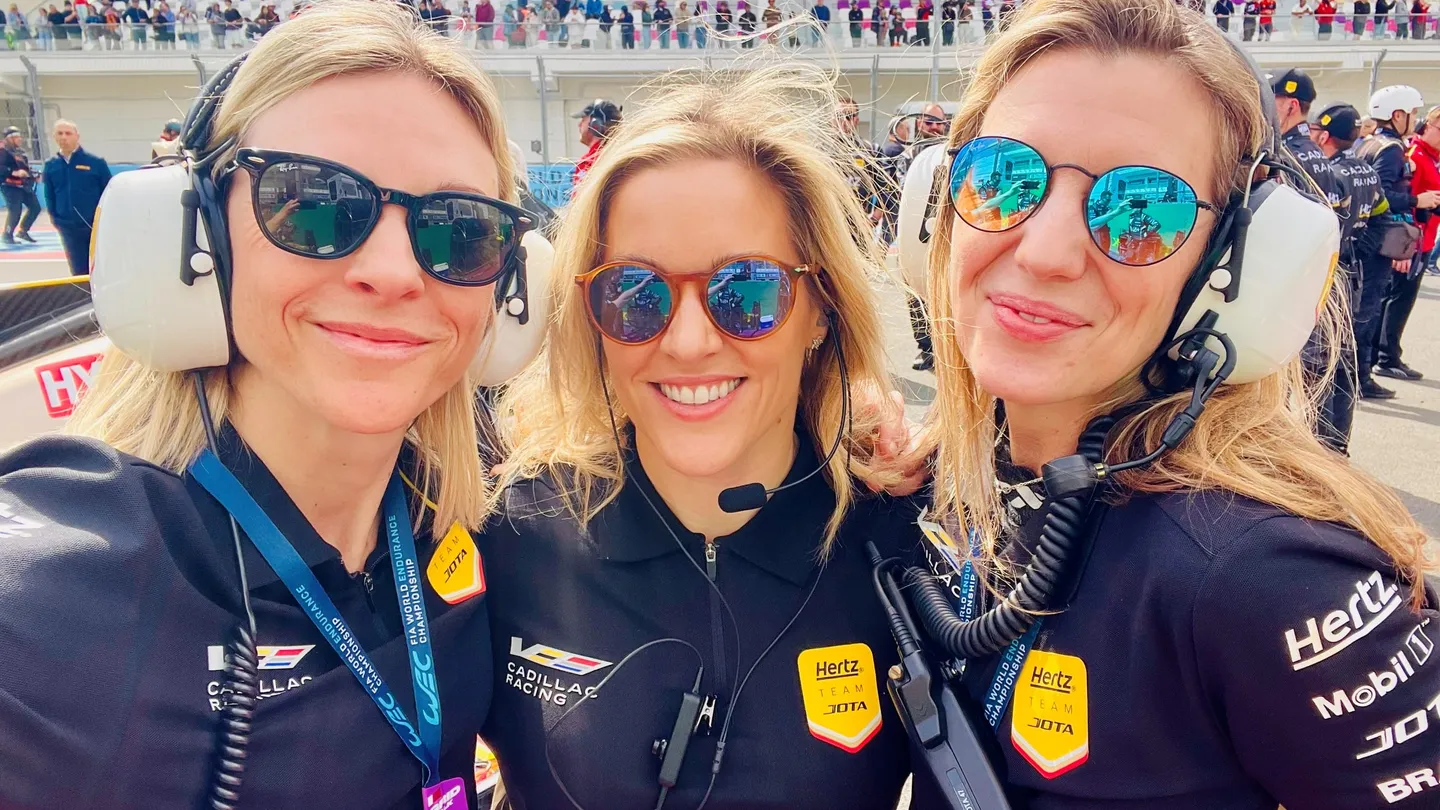
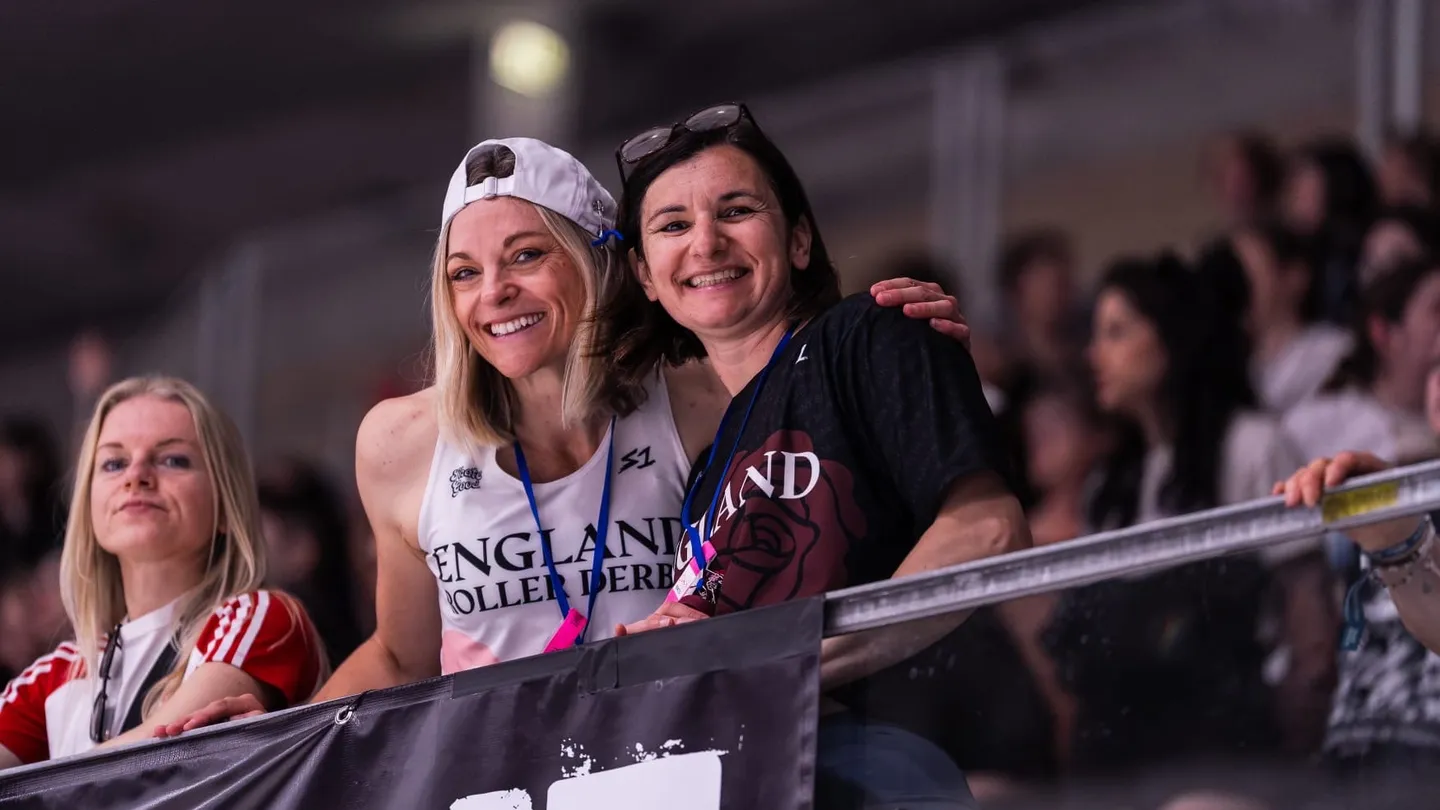
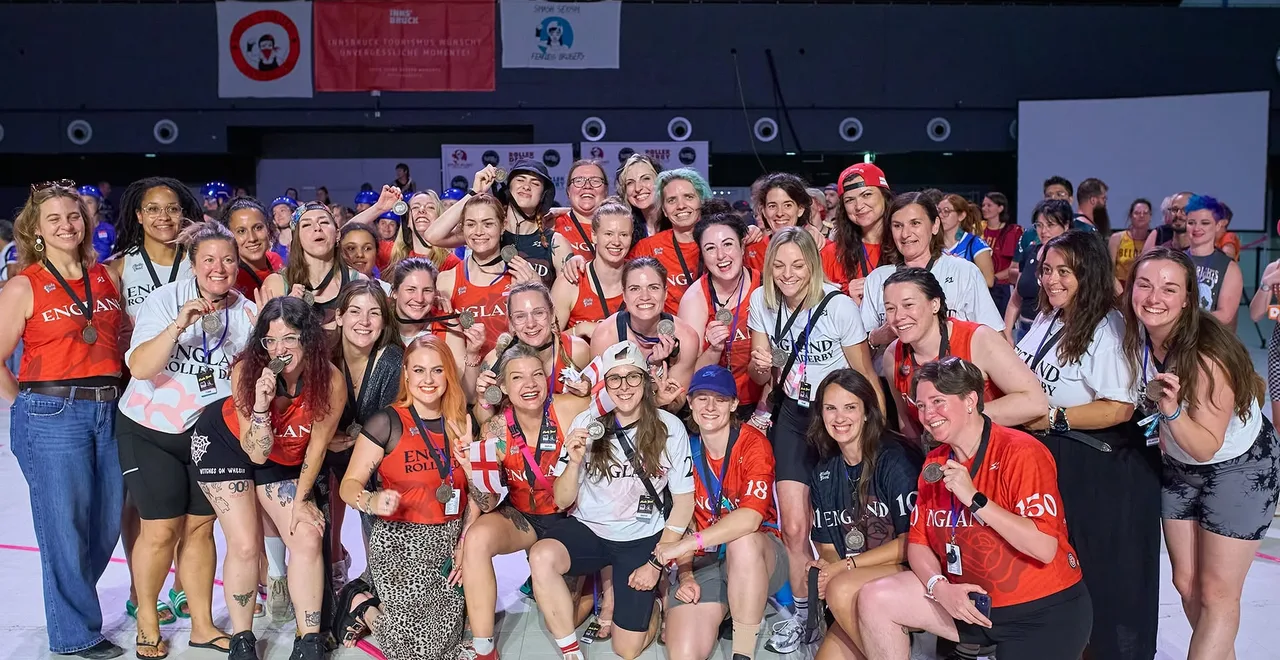
Carly has worked as performance physiotherapist to England Women’s Roller Derby at the 2025 World Cup and trackside with Cadillac Hertz Team Jota in the World Endurance Championship. In both settings the question is the same one you face after an injury: is this person ready, and how do we know? At Box Box the answer comes from measurement, not a guess.
Frequently asked questions
How do I know when I am ready to return to sport?
Feeling better is part of it, but it is not enough on its own. A sound return decision also looks at measured strength, movement and control compared with your other side or your own pre-injury baseline, and at whether you have tolerated training that resembles your sport. Pain-free is the start of the conversation, not the end.
How long does ACL rehabilitation take?
It varies, but rehabilitation after an anterior cruciate ligament injury is long, whether or not you have surgery, and returning to pivoting sports usually takes many months. Basing the decision on measured strength and function, rather than on a date, is widely recommended because returning too early raises the risk of injuring the knee again.
Should I follow my surgeon's rehab protocol or a physio's plan?
Both, working together. After an operation, your surgeon's protocol sets the limits that protect the repair, such as how much weight you can put through a limb and when. A physiotherapist builds the day-to-day plan inside those limits, progresses it as you meet each milestone, and liaises with the surgical team where needed.
Does Box Box test strength before a return to sport?
Yes. Every Box Box plan starts with physical screening and performance testing, which sets a baseline. The same measures are repeated as rehab progresses, so the decision to return to training, sport or racing rests on objective numbers alongside how you feel. Sessions are one hour with Carly at £150.